
Level 1 sweep and inspection to the NFPA 211 annual standard - flue, crown, cap, and flashing checked and photographed
Chimney sweep logs do not sweep chimneys. They loosen some creosote - which then falls where a brush and vacuum still have to collect it.


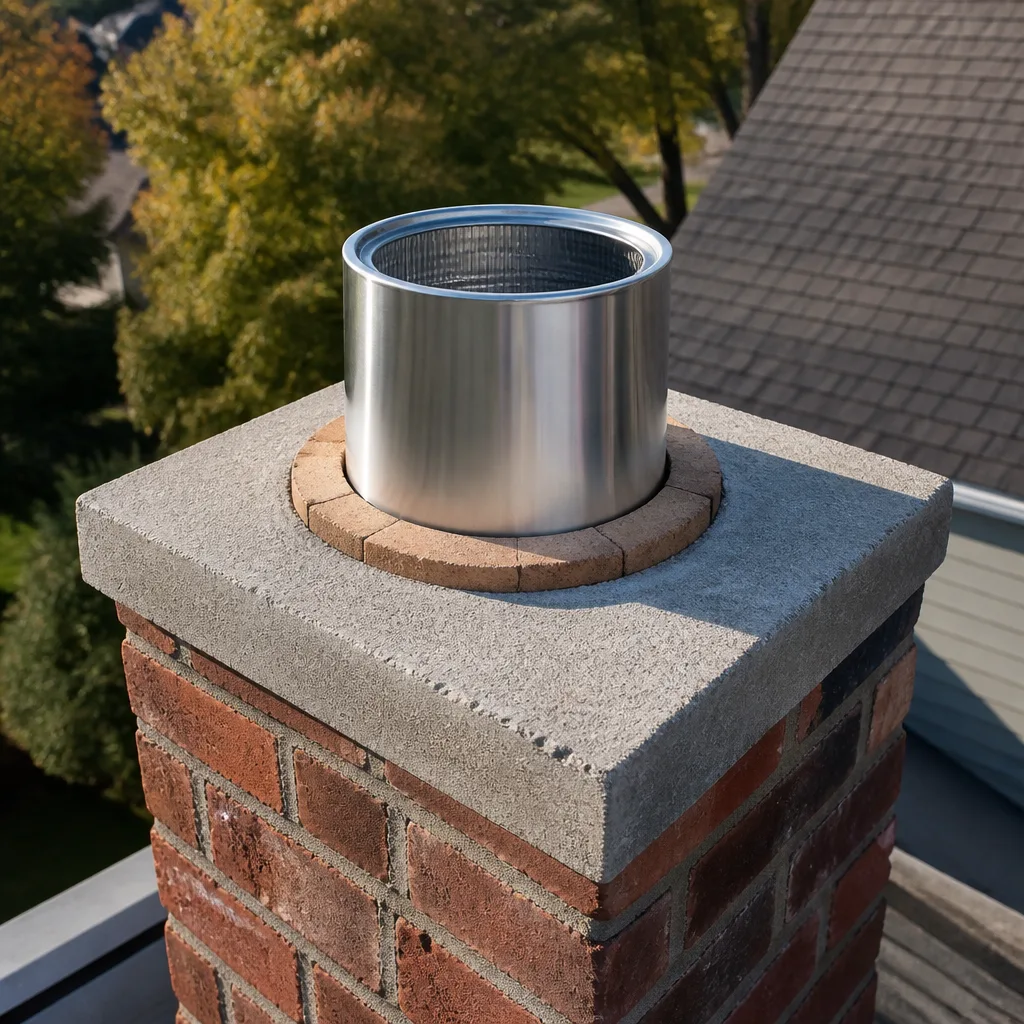
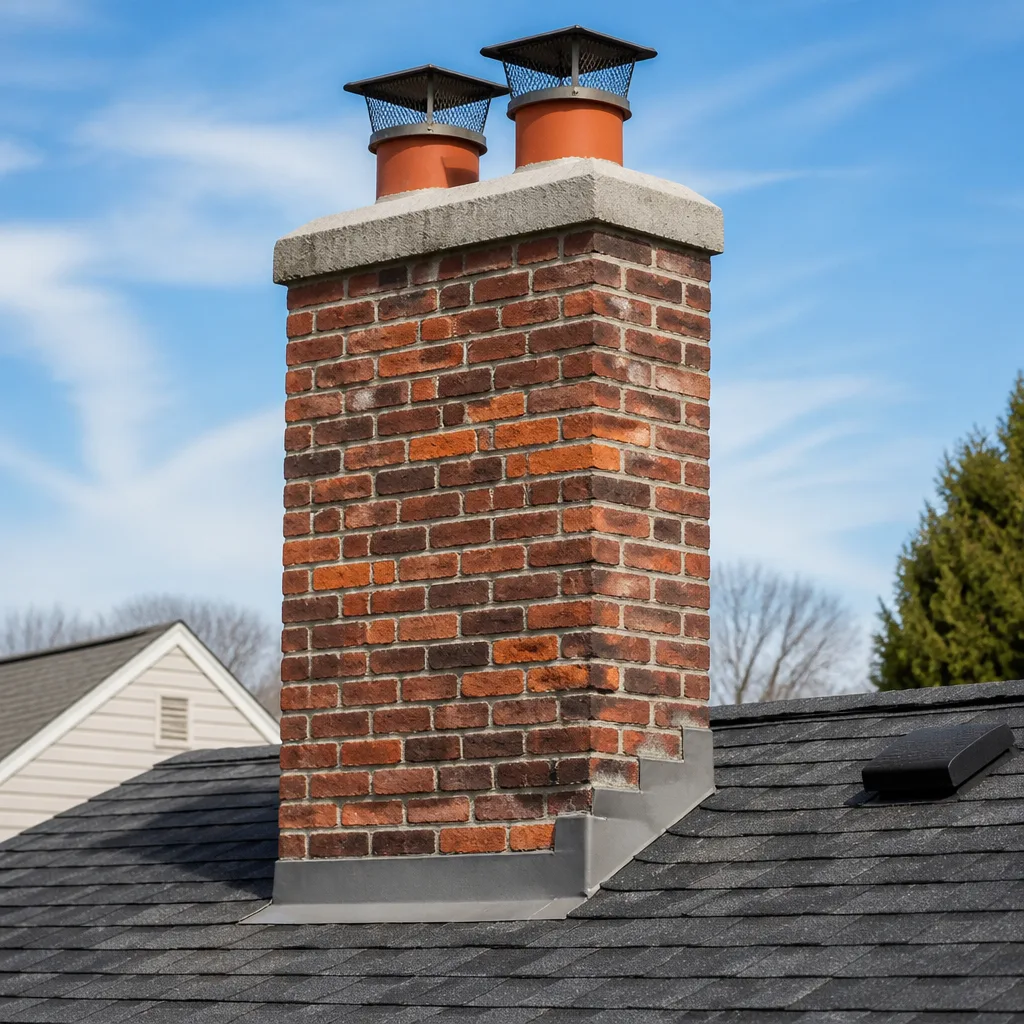
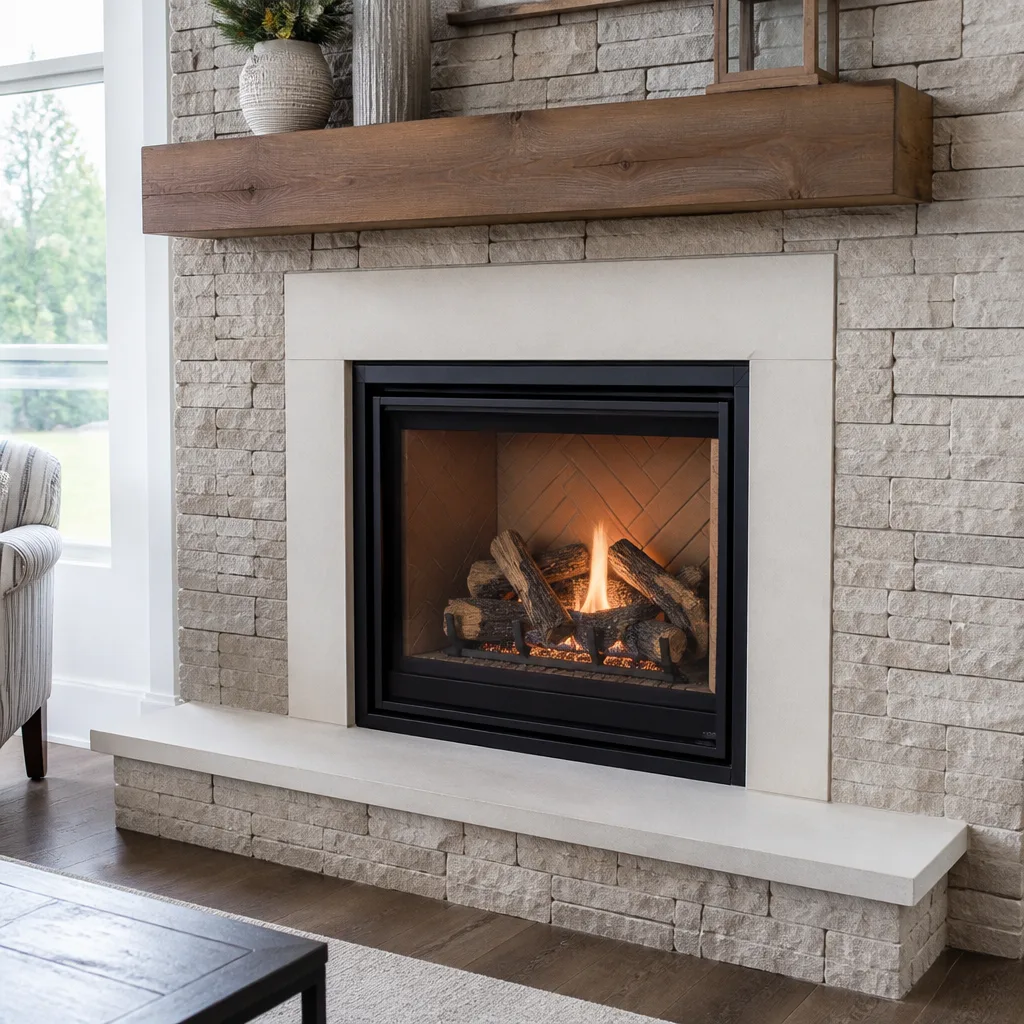
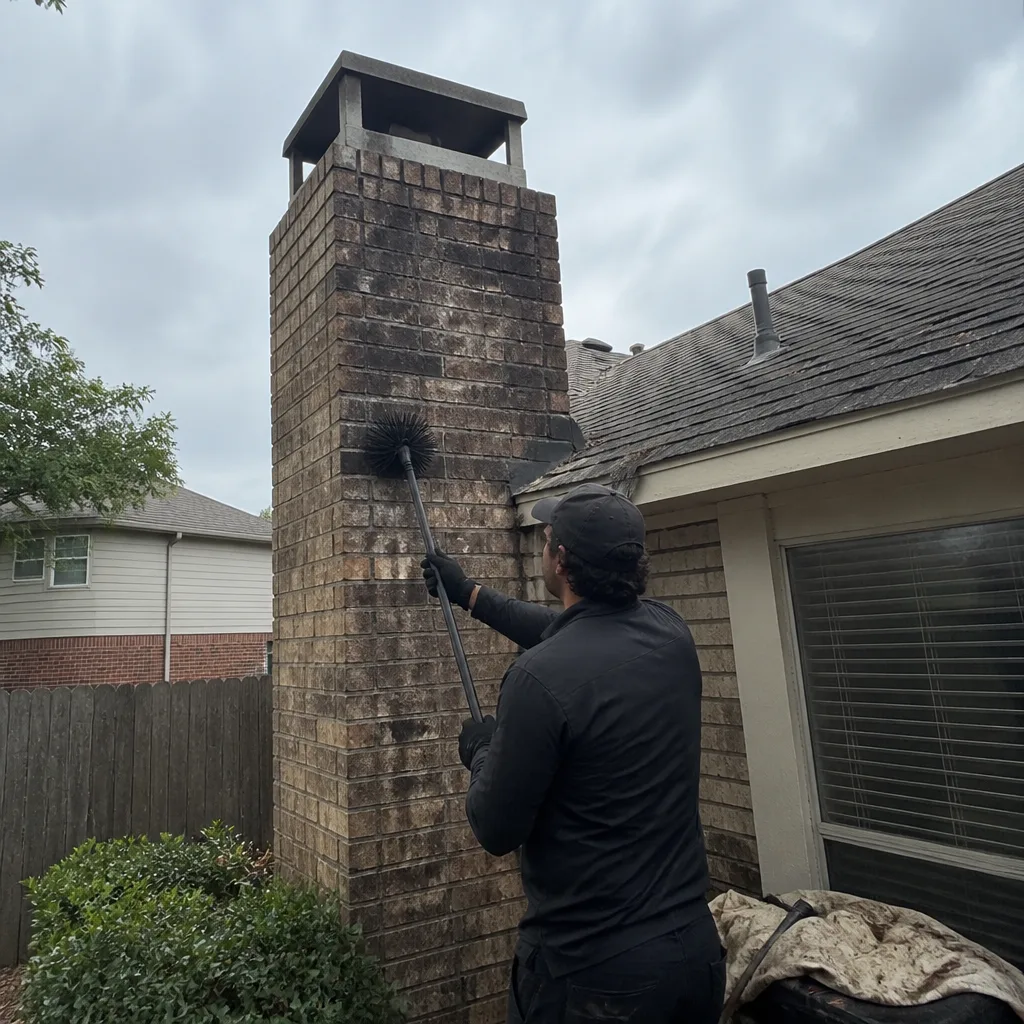 Before
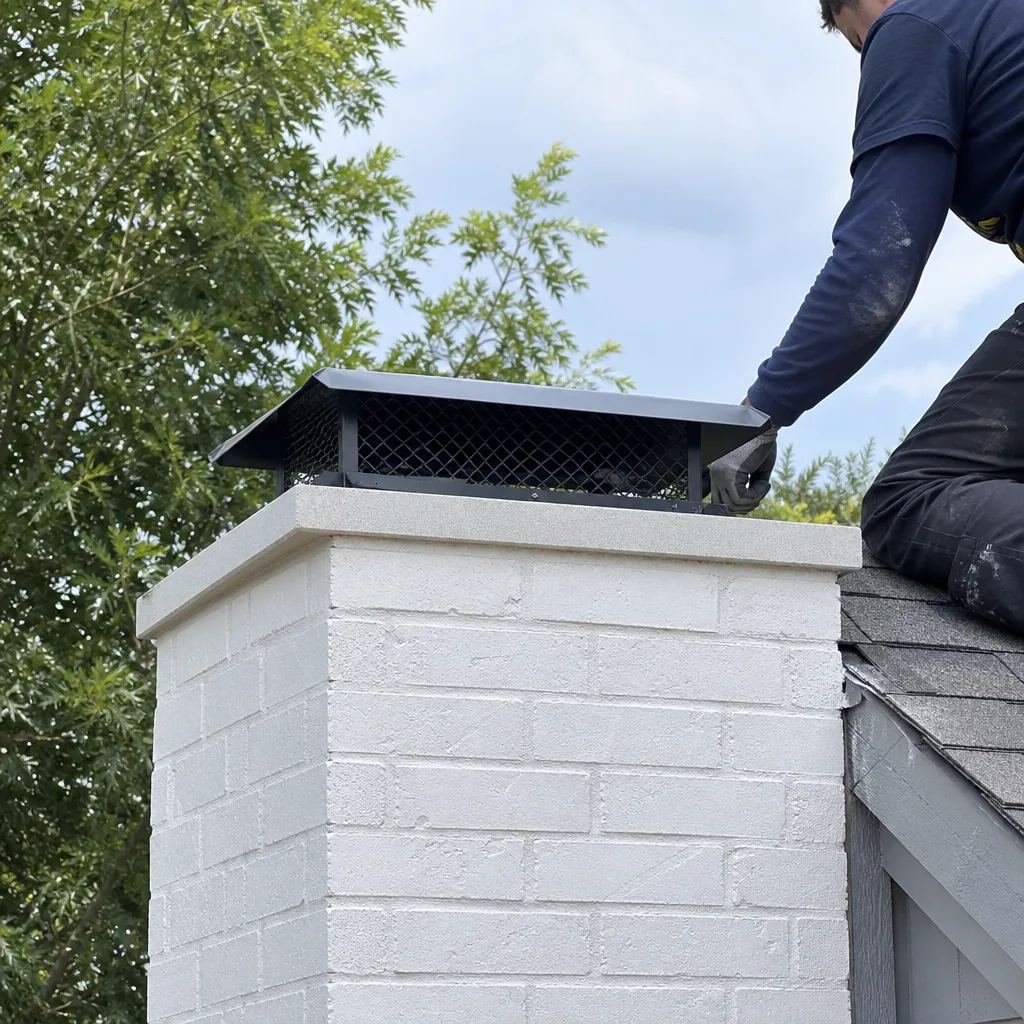 After
After Before
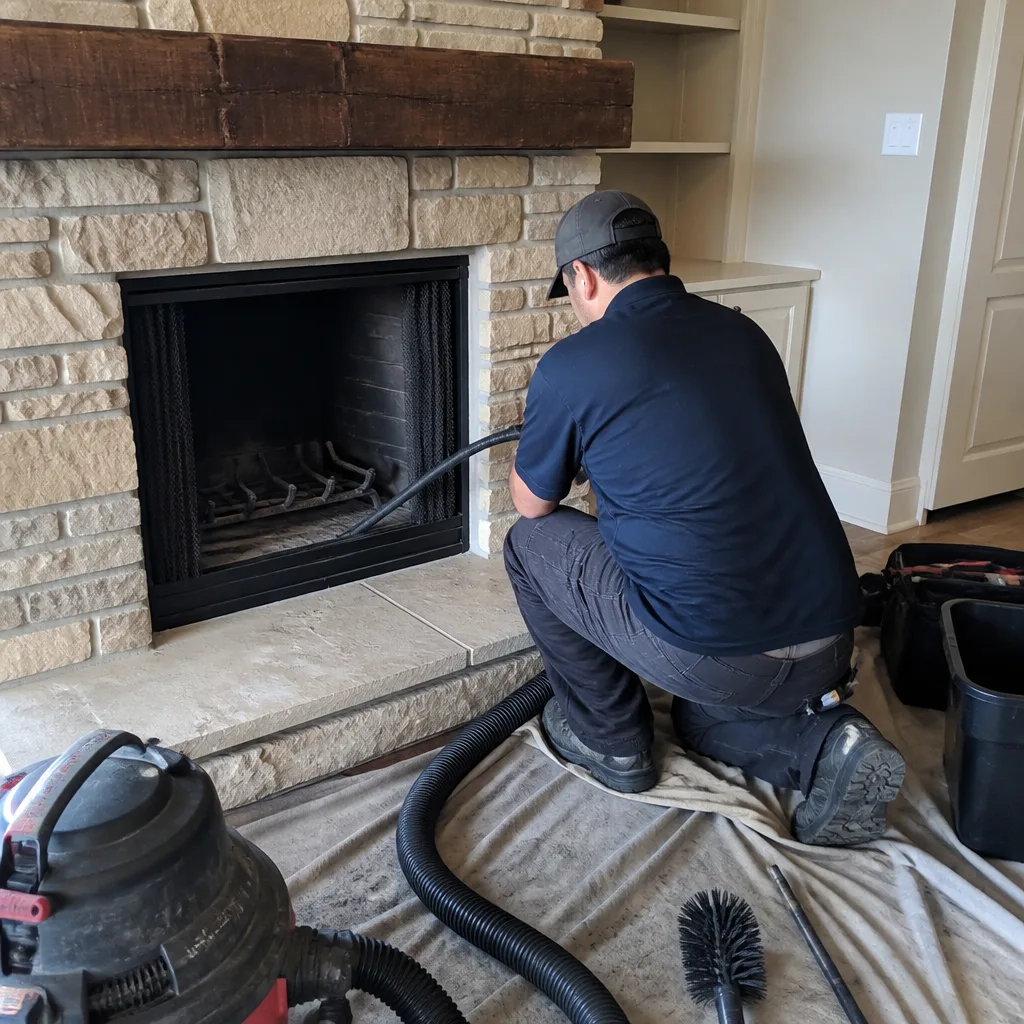 After
After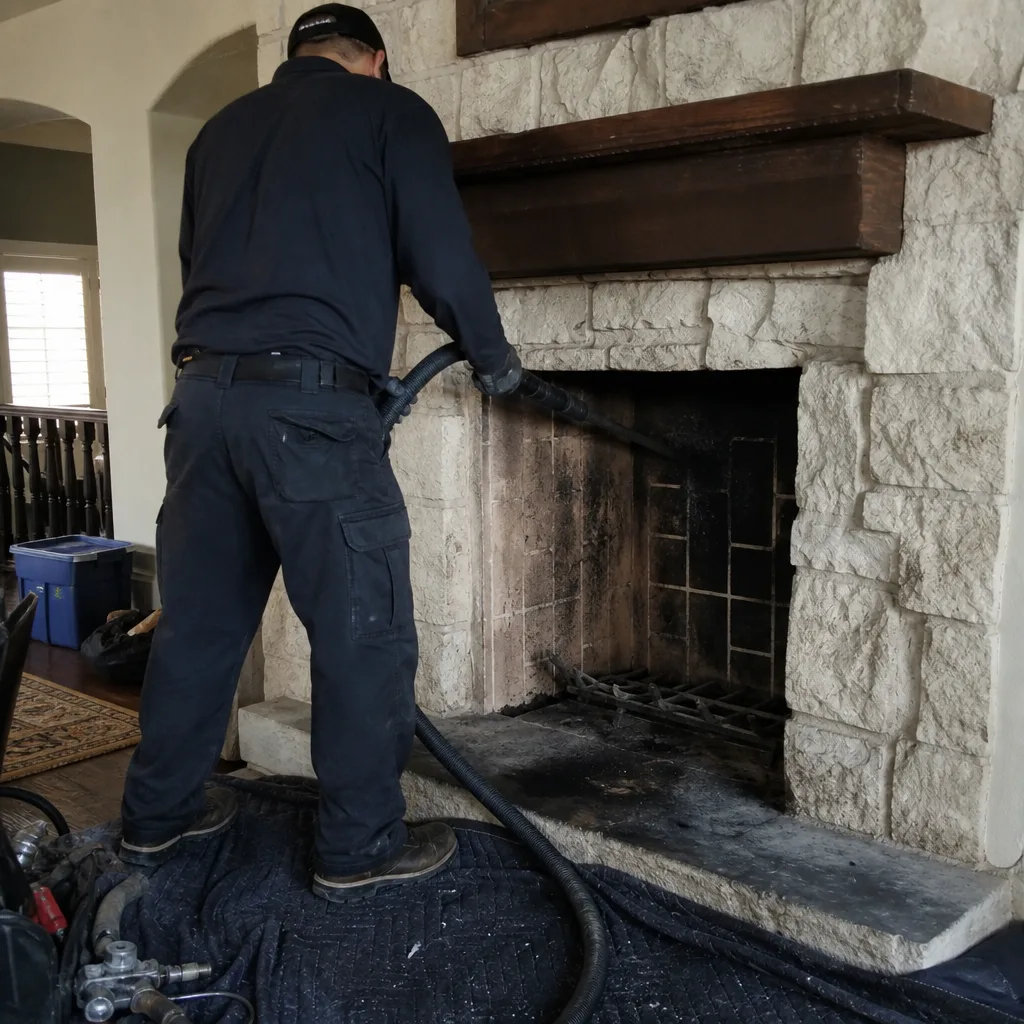 Before
 After
AfterSoot Removal in Plano, TX
Soot removal in Plano typically runs $149 to $349, depending on how much has accumulated, how accessible your flue is, and whether we find any underlying issues during the camera scan. Most jobs are completed in a single visit, and you’ll have a written price before anyone touches your chimney. If you want to skip ahead, call (469) 240-3101 – a live person answers every time.
Soot is the soft, black byproduct of incomplete combustion. It coats the inside of your flue liner, smoke chamber, and firebox walls every time you burn wood or gas logs. A thin layer is normal. A thick, uneven buildup is not – it restricts airflow, produces a persistent burned smell, and in heavy concentrations can ignite inside the flue itself. The distinction matters, and it’s exactly the kind of thing you see clearly on a camera, not with a flashlight.
Emberly Chimney Cleaners Plano has been doing this work since 2009, with more than 38,000 chimneys inspected and cleaned across the DFW metro. Our Chimney Cleaning & Sweep in Plano service covers everything from routine annual maintenance to post-fire soot remediation – soot removal is a core part of that work, not an add-on. Every visit includes a camera-scan inspection and a documented photo record as standard, because a written record of what we found – and what we cleared – is the only way you actually know the job is done.
When You Need Soot Removal
Soot doesn’t announce itself the way a cracked crown or a collapsed liner does. It builds gradually, and by the time you notice the signs, the buildup is usually significant enough to affect how your fireplace performs. Here’s what to watch for:
- A persistent burned or smoky smell inside the house, even when the fireplace isn’t in use. In Plano’s spring and fall when windows stay open, that smell gets pulled back into living spaces through the flue by negative air pressure – a classic sign of soot coating the smoke chamber.
- Visible black staining on your firebox walls or around the fireplace opening. Some blackening is normal close to the firebox floor, but staining that extends up the face of the surround or out onto the hearth suggests the fireplace isn’t drafting cleanly.
- Reduced draw or smoke backing into the room when you start a fire. A thick soot layer narrows the effective diameter of the flue liner, which cuts the draft that carries combustion gases out of the house.
- It’s been more than 12 months since your last cleaning. The NFP 211 standard recommends annual inspection and cleaning for any fireplace in regular use. Plano winters are short, but even three or four fires a season produce measurable soot accumulation over time.
- You’ve recently moved into a home and have no documentation of the last service. Without a written record – a photo archive, a dated scope of work – you don’t actually know what condition the flue is in. We see this constantly in neighborhoods like Willow Bend and Stephens Place where homes turn over to buyers who assume the fireplace was serviced with the house.
- You burned green or unseasoned wood last season. Wet wood burns cooler and produces far more soot and creosote than seasoned hardwood. One winter of green oak can deposit more soot than two or three seasons of properly seasoned wood.
Our Soot Removal Process
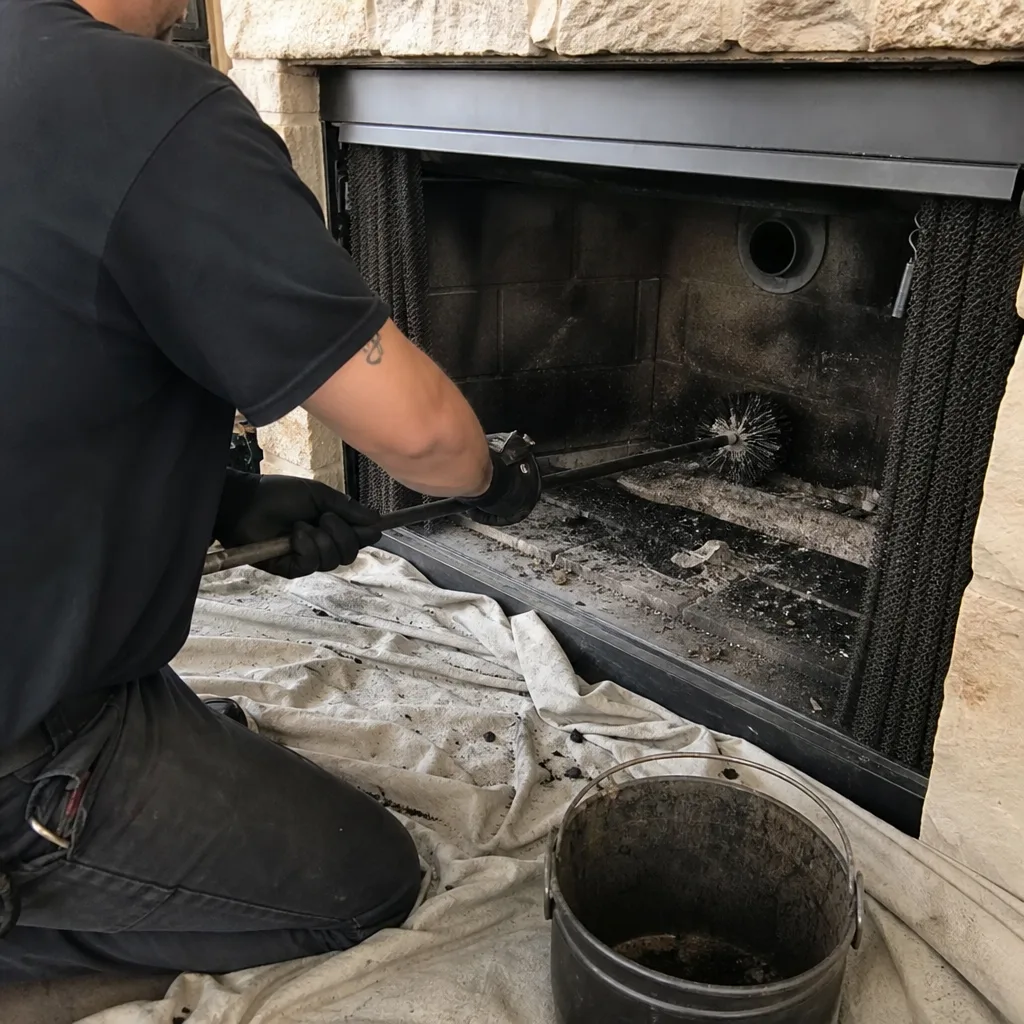
We follow the same Chimney Cleaning & Sweep services process on every job. It’s built around NFPA 211 Level 2 inspection standards, which means a camera goes down the flue before we quote and after we clean. Here’s exactly what happens when we arrive:
- Written price before any work starts. Under Haven Standard Clause 1, you receive a written scope, written price, and written warranty before the job begins. No “we’ll let you know when we’re done” pricing. The number is on paper, and it doesn’t change unless we find something different from what the camera shows – in which case we show you the camera footage and explain what changed before we ask for a decision.
- Pre-cleaning camera scan of the flue. A camera goes down from the top of the chimney, and we document the condition of the flue liner, smoke chamber, and firebox. This tells us how much soot we’re dealing with, whether there’s any creosote layering under the soot, and whether there are any structural issues – cracking, spalling, or joint separation – that need to be addressed. You see what we see, in real time.
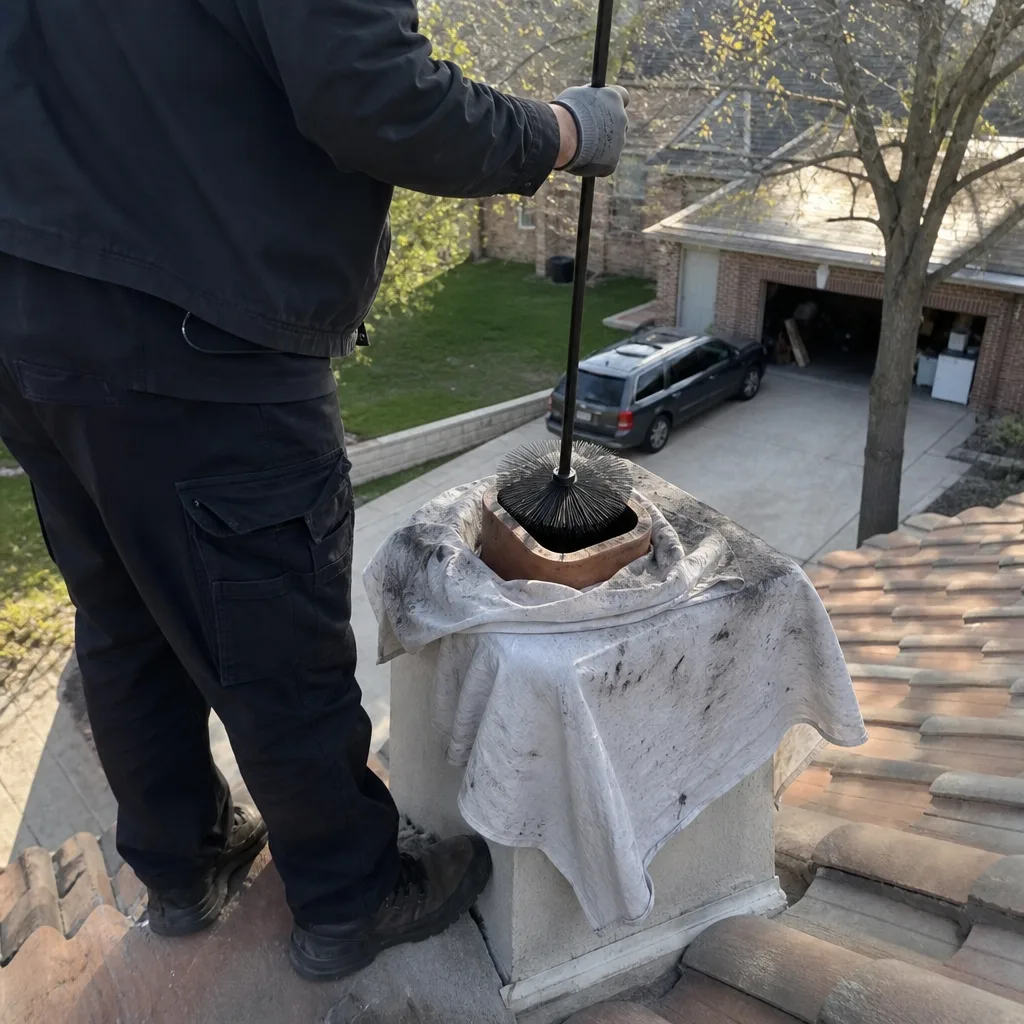
- Firebox and hearth protection. We set up drop cloths and seal off the firebox opening with a fitted dust barrier before any brushing begins. Plano homes – especially the newer construction in Legacy West and older builds in Estates of Glendover – tend to have open-plan living areas where soot dust can travel fast if the work area isn’t properly contained.
- Mechanical cleaning of the flue, smoke chamber, and firebox. Using rotary brush systems and HEPA-filtered vacuum equipment, we clean from the top down. The brush removes soot and light creosote deposits from the liner walls; the vacuum captures the material as it falls rather than letting it settle in the firebox. For Copperfield and DuraFlex liner systems specifically, we use brushes sized and specified for the liner material to avoid abrading the surface.
- Post-cleaning camera scan and documentation. Once the cleaning is done, the camera goes back down. Clause 4 of the Haven Standard requires a photo record on every job – not just a verbal confirmation that it’s clean. You get the before-and-after photo archive, which also serves as the baseline for your next annual inspection.
- Written findings and next steps, if any. If the camera reveals something beyond soot – a cracked tile liner, eroded smoke chamber parging, or early-stage Class II creosote – we write it down, show you the footage, and give you a separate written estimate for the additional work. We don’t pressure a decision that day. The 365-Day Done Right Promise is stamped on every job, so if something wasn’t done right, we make it right.
 Before
 After
AfterSoot Removal Pricing in Plano
Soot removal in Plano runs $149 to $349 for most single-fireplace systems in a standard residential chimney. Here’s how the range breaks down:
| Scope | Typical Price Range |
|---|---|
| Single fireplace, light-to-moderate soot, accessible flue | $149 – $229 |
| Single fireplace, heavy soot accumulation or 2+ years since last cleaning | $229 – $299 |
| Soot removal with smoke chamber restoration or creosote treatment | $299 – $349+ |
| Two-story or offset flue configuration (common in parts of West Plano) | Add $50 – $100 |
The camera scan and documented photo record are included in every visit at no additional charge – they’re not a separate line item. The written price you receive before work begins reflects exactly what we found on the pre-cleaning scan, and it won’t change without a documented reason and your approval first.
A few things that affect where your job lands in that range: how long it’s been since the last cleaning, what fuel you’ve been burning (gas logs produce finer, stickier soot than wood), and whether the soot has mixed with creosote deposits to form a harder compound. Gas fireplace inserts – which are common in Plano construction from the late 1990s through early 2010s – sometimes accumulate soot in areas that are harder to access and take more time to clear properly.
If you have a written estimate from another company, bring it. We offer a Free Second Opinion on any written estimate, no charge, no obligation. Call (469) 240-3101 to schedule it.
What Happens If We Find More Than Soot
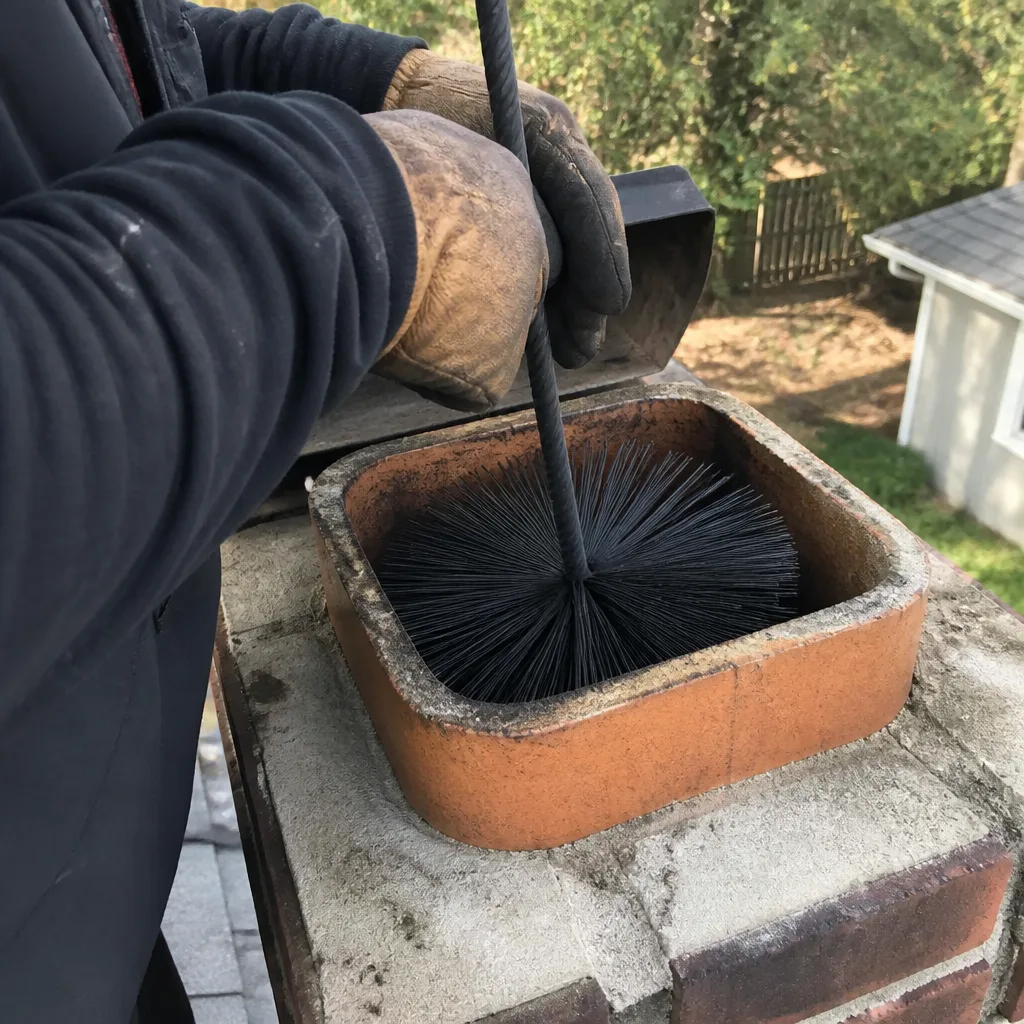
Soot is often just the surface. When the camera goes down, we sometimes find creosote buildup underneath – which is a different material with different removal requirements. Creosote comes in three classes. Class I is the flaky, light deposit that standard brushing removes. Class II is the tar-like layer that needs chemical treatment and mechanical action. Class III is the glazed, hardened deposit that in severe cases requires specialized chemical application and, if it’s damaged the liner, liner repair or replacement.
We’ll tell you exactly which class you have, show you the footage, and write down what it means in plain terms before we suggest any next step. If the liner itself shows damage – cracking in a clay tile liner, for example, or joint separation in a pre-cast system – we’ll scope the repair work separately. HeatShield liner restoration is one option we use for damaged clay flue liners; a DuraFlex stainless liner system is another when a full reline is the better call. Either way, you get a written price for each path before choosing.
We also check the smoke chamber parging – the mortar coat that covers the offset from the firebox to the flue – because soot buildup in that area is often a sign the parging is eroding, which creates a rough surface that traps even more debris. Catching it here costs less than addressing it after a few more seasons.
Why Plano’s Climate Makes Annual Soot Removal Worth Scheduling
Plano sits in a climate zone where fireplaces get used in short, concentrated bursts – typically from late November through February – rather than being run steadily across a long heating season. That pattern matters for soot accumulation because short, hot fires leave different residue than long, low fires. A Plano homeowner who lights the fireplace eight to twelve times a season and burns a mix of seasoned oak and store-bought compressed logs is likely producing a fine, dense soot that adheres more firmly to the liner walls than the coarser soot from a cooler fire.
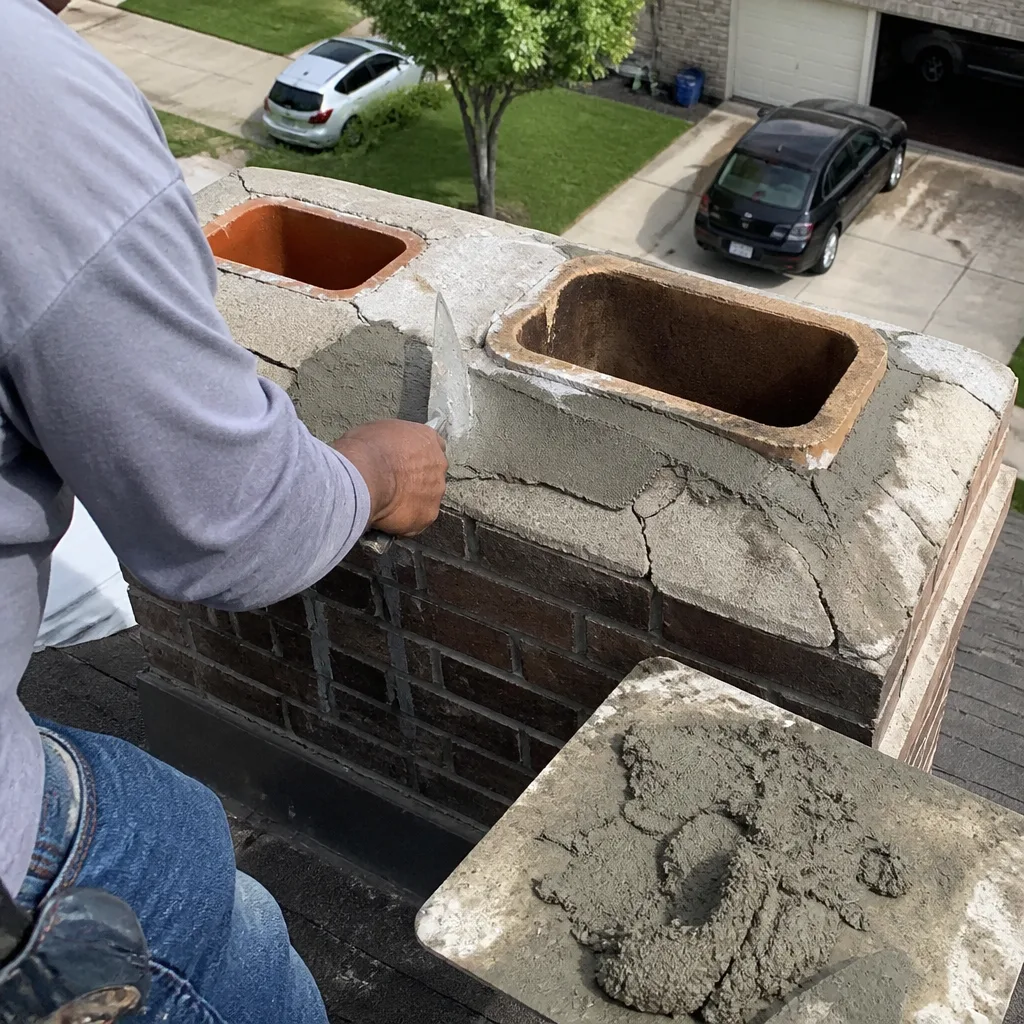
Scheduling an Annual Sweep in March or April is the right call for most Plano households. You clear out what last season deposited before it has a chance to harden over the humid summer months, and you go into fall with a documented baseline record in hand. If you wait until the first cold front hits in November, you’re competing with every other homeowner in Willow Bend, Haggard Estates, and the Deerfield area who had the same idea.
Key Takeaways
- Soot removal in Plano runs $149 to $349 for most single-fireplace systems.
- You receive a written price before any work begins – no exceptions, no after-the-fact surprises.
- Every visit includes a camera scan of the flue and a documented photo record under Haven Standard Clause 4.
- Soot removal is covered under the 365-Day Done Right Promise – if it’s not right, we make it right.
- A Free Second Opinion is available on any written competitor estimate, at no charge.
- Live phone support is available 24/7 – call (469) 240-3101 any time.
FAQs – Soot Removal in Plano
How much does soot removal cost in Plano?
Soot removal in Plano typically costs between $149 and $349 for a single fireplace. The exact number depends on the volume and density of the deposit, flue accessibility, and whether the camera scan reveals any creosote layering underneath. You’ll have that number in writing before anyone starts work. Call (469) 240-3101 and we can often give you a same-day estimate.
Is soot in a chimney dangerous?
Soot itself isn’t a fire hazard the way hardened creosote is, but it does carry real risks. A thick soot layer restricts flue draft, which pushes carbon monoxide and combustion gases back into the living space. It also provides a surface for creosote to bond to, accelerating the buildup of the more dangerous Class II and Class III deposits. A camera scan tells you exactly what you have – which is a better starting point than guessing from the firebox opening. Attempting to remove heavy soot or any creosote buildup yourself, without the right equipment and knowledge of flue geometry, carries real risk of spreading fine particulate through the house and missing material on the liner walls. A trained technician from Chimney Cleaning & Sweep Near Me in Plano, TX with the right brushes and a HEPA vacuum system does the job without that risk.
How long does soot removal take?
Most single-fireplace soot removal jobs in Plano take 60 to 90 minutes from setup to cleanup. That includes the pre-cleaning camera scan, the cleaning itself, and the post-cleaning documentation. A second fireplace or a flue with significant buildup can add 30 to 45 minutes. We’ll tell you the expected time when we give you the written price – before the job starts.
Can I just vacuum the soot out myself?
You can remove loose soot from the firebox floor with a shop vacuum designed for ash, but standard vacuum filters aren’t rated to capture fine soot particulate – which means a regular household vacuum or most shop vacs will blow soot into the room. More to the point, the soot on the firebox floor is only a fraction of what’s coating the flue liner and smoke chamber above it, and those areas aren’t reachable without a rotary brush system and camera access from the roof. For a quick firebox tidy-up, a dedicated ash vacuum works. For actual soot removal from the flue system, call (469) 240-3101 – estimates are free and the written price is on paper before we start.
Schedule Soot Removal in Plano
If your fireplace has been used this season – or if it’s been more than a year since anyone put a camera down the flue – it’s worth scheduling a cleaning before the soot hardens or the next burn season arrives. We serve Plano and the surrounding DFW metro, and we answer the phone live, every day of the week. Call (469) 240-3101 to get a written estimate, no obligation. That number doesn’t change once you agree to it, and the 365-Day Done Right Promise is on every job we do.
You can also learn more about what’s included in a full cleaning visit on our home page, or review the complete scope of our annual maintenance work on the Chimney Cleaning & Sweep in Plano page.
Written by Corrine Halstead, Owner at Emberly Chimney Cleaners Plano, serving Plano.